
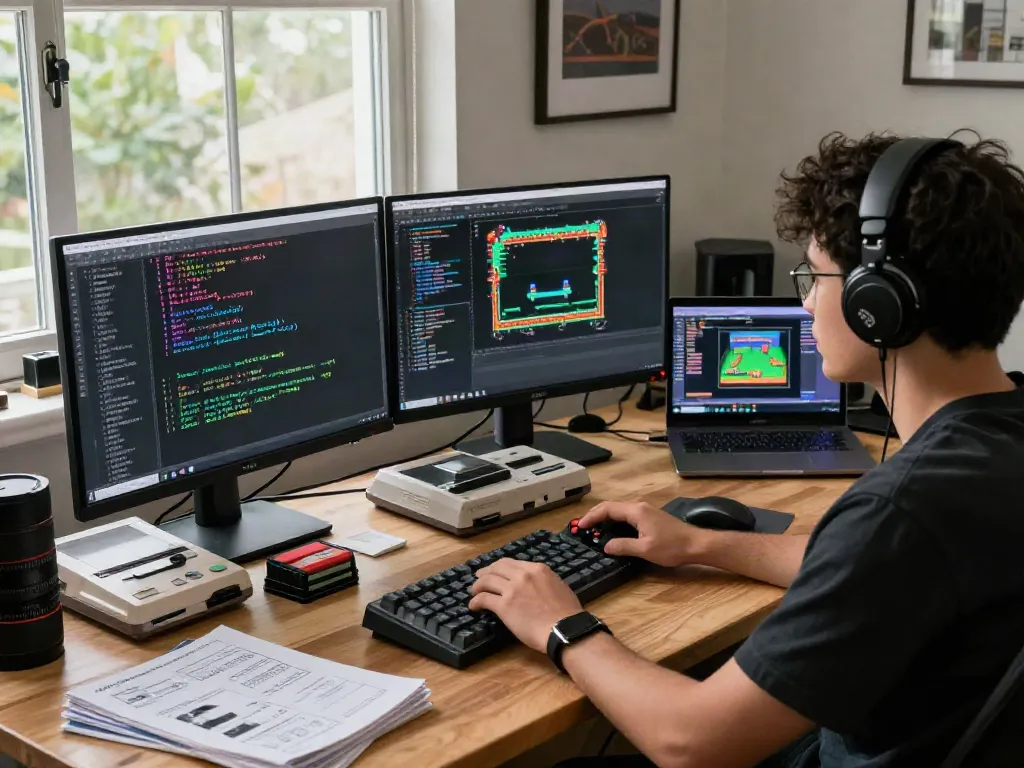
Understanding Pecah 404: The Concept of Game Revival
The gaming industry has seen a remarkable resurgence in the interest surrounding retro games, often referred to as "Pecah 404" in various gaming communities. This phenomenon reflects a growing nostalgia for classic gaming experiences that many players enjoyed in their youth. As technology evolves, developers are presented with unique opportunities and significant challenges when it comes to reviving these classic games.
When exploring options, pecah 404 provides comprehensive insights into this compelling trend, highlighting how developers can capitalize on nostalgia while leveraging modern technology. Understanding this concept is crucial for those looking to navigate the complex world of game revival effectively.
What Does Pecah 404 Mean in Gaming Context?
Pecah 404 is often a colloquial term used in gaming circles to describe classic games that have been revitalized or returned to prominence. This revival can take many forms, from remastered versions of games originally released on older consoles to entirely new titles inspired by classic gameplay mechanics. Players who grew up with these games find joy in revisiting familiar landscapes, characters, and stories, making this a lucrative niche within the gaming market.
The Evolution of Retro Gaming and its Appeal
Over the past few decades, retro gaming has transitioned from being a niche interest to a vibrant market segment. With platforms like Steam and various console marketplaces embracing indie developers, the resurgence of classic gaming has been fueled by consumer demand for nostalgia. Retro graphics, soundtracks, and gameplay styles are increasingly celebrated, resonating with both older gamers and new players who appreciate the charm of the past.
Identifying Key Trends in Retro Game Development
- Increased Investment in Indie Development: Indie studios are at the forefront of creating compelling retro experiences, often employing pixel art and chiptune music to evoke a nostalgic feel.
- Cross-Platform Availability: Many revived titles are being made available across various platforms, including mobile devices, which helps to expand their reach.
- Community Participation: Engaging gaming communities for input during the development process has become a key strategy for success.
Challenges in Reviving Classic Games
Technical Obstacles in Game Resurrecting
While the nostalgic allure of classic games is strong, developers face several technical challenges when bringing these titles back to life. Issues such as outdated code, compatibility with new hardware, and graphical limitations can hinder the revival process. Addressing these technical obstacles requires a dedicated approach, often involving significant investment in re-engineering old codebases to work with modern systems.
Balancing Nostalgia with Modern Gaming Standards
Another major challenge in reviving classic games is finding the right balance between honoring the original experience and incorporating modern gameplay elements. Gamers can be quite vocal about their desires for authenticity, yet they also expect quality-of-life improvements that enhance playability. This balancing act is crucial for ensuring that a revived game meets the expectations of both nostalgic fans and new players.
Common Misconceptions about Retro Game Popularity
A common misconception is that retro games primarily appeal to older generations who experienced them first-hand. However, many younger players discover these games through online platforms and streaming services, leading to an unexpected and diverse audience. This broadened appeal presents opportunities for developers willing to adapt content while remaining true to the essence of what made these games great.
Best Practices for Successful Game Revival
Engaging the Community: Leveraging Fan Input
Successful game revival often hinges on the ability to engage with the fan community effectively. By soliciting feedback and involving players in the development process, studios can create a more refined and appealing product. Utilizing platforms such as social media and gaming forums, developers can garner insights that shape the direction of their revival projects.
Utilizing Modern Technology for Classic Games
Modern technology has made it easier than ever to revive classic games. Tools such as game engines like Unity and Unreal Engine offer developers the flexibility to create enriched gaming experiences. These engines allow for sophisticated graphics while still maintaining the aesthetics of retro gameplay, bridging the gap between past and present.
Creating Authentic Experiences for Players
For any successful revival, ensuring an authentic experience is paramount. This includes staying true to the original game's mechanics, narrative, and artistic style. Attention to detail in graphics, sound, and gameplay is critical to invoke the nostalgia that drives the current trend in retro gaming.
Case Studies: Successful Revivals of Classic Titles
Analyzing Pecah 404 Game Success Stories
Some standout examples of successful game revivals include titles like "Sonic Mania," which took the beloved franchise back to its roots while incorporating modern gameplay mechanics. Another notable case is "The Legend of Zelda: Link's Awakening," which was rebuilt from the ground up, combining charming visuals with the classic gameplay mechanics that originally captivated players.
Lessons Learned from the Game Revival Process
The successful revivals of classic games showcase several key lessons for developers. First, understanding the core audience and their expectations is vital. Second, maintaining open lines of communication with players can lead to improvements throughout the development process. Lastly, testing and iterating based on player feedback can significantly enhance the final product.
The Role of Indie Developers in Retro Gaming
Indie developers have emerged as key players in the retro gaming revival movement. Their ability to take risks on unique concepts and personal stories has resulted in the resurgence of genres that were previously thought to be fading. Games like "Celeste" and "Shovel Knight" have garnered critical acclaim and commercial success by blending nostalgia with innovative gameplay.
Future of Pecah 404 Games: Trends to Watch in 2026
Emerging Technologies Enhancing Game Revivals
As we look to the future, emerging technologies like virtual reality (VR) and augmented reality (AR) may play a role in how classic games are experienced. These technologies could provide new ways to immerse players in nostalgic worlds while introducing innovative gameplay that revitalizes interest in older titles.
Predictions for the Nostalgic Gaming Market
The nostalgic gaming market is expected to continue thriving through 2026. With a growing interest in remakes and remasters, developers will likely focus on bringing lesser-known titles back to public attention. This trend will foster creativity and innovation as studios experiment with new ideas while drawing inspiration from the past.
How Cultural Shifts Influence Game Design
Cultural shifts play a significant role in game design. As society evolves, so do players' expectations and preferences. Developers must be mindful of current trends, including diversity and representation, ensuring that revived games resonate with a broader audience while maintaining the nostalgic elements that made them popular.
What are the key elements of a successful game revival?
Key elements of a successful game revival include understanding the original's core values, engaging with the community, employing modern technology while retaining nostalgic aesthetics, and effectively marketing the game to reach both old fans and new players.
How does nostalgia affect modern gaming trends?
Nostalgia significantly influences modern gaming trends, leading to an increased demand for retro-style games. This impact is reflected in the design choices, marketing strategies, and even the gaming platforms that prioritize classic experiences.
What technologies are reshaping retro game development?
Technologies such as game engines, AI-driven graphics rendering, and cloud gaming are reshaping retro game development, providing developers with the tools to enhance visuals and gameplay without losing the charm of the original titles.
Can indie games compete with mainstream retro revivals?
Yes, indie games can and often do compete successfully with mainstream retro revivals. Their unique narratives, innovative mechanics, and attention to detail provide a fresh perspective on classic gaming concepts, allowing them to carve out a niche in the market.
What future trends should developers be aware of in 2026?
Developers should be aware of trends such as the increasing importance of cross-platform gaming, the rise of subscription-based models, and the necessity for inclusivity and diversity in gaming narratives as they shape the future of game development.